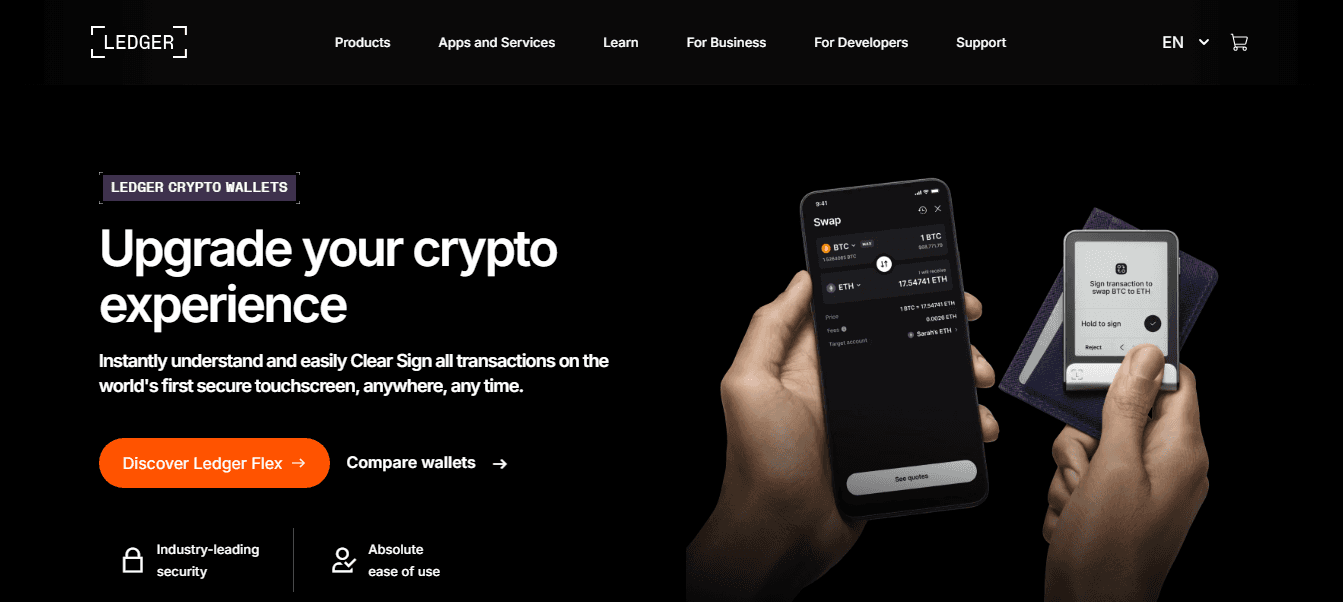
Ledger Login: A Comprehensive Exploration of Secure Access in the Crypto Ecosystem
The cryptocurrency landscape has matured rapidly, attracting millions of users across the globe. Along with innovation and growth, however, comes an increase in digital threats. Hacks, phishing scams, and compromised credentials have become common risks for crypto holders. In response, hardware-based security solutions have emerged as the most reliable defense. At the center of this evolution stands Ledger Login—a secure, hardware-driven method for accessing and managing digital assets.
This article provides a deep, structured, and educational overview of Ledger Login, explaining its purpose, mechanics, benefits, risks, and future relevance. Whether you are safeguarding your first crypto purchase or managing a diversified blockchain portfolio, understanding Ledger Login is essential.
What Is Ledger Login?
Ledger Login is the authentication process used when accessing cryptocurrency wallets through Ledger hardware devices. Instead of relying on online credentials such as usernames and passwords, Ledger Login requires physical confirmation via a dedicated hardware wallet.
Ledger devices store private keys offline and only allow transactions or account access when the user manually approves actions on the device. This approach ensures that ownership and control remain exclusively with the user.
The Philosophy Behind Ledger Login
The design of Ledger Login follows one core principle: true ownership of digital assets. In the crypto world, control over private keys determines ownership. Ledger Login removes dependence on centralized services and restores authority to the individual.
Key philosophical pillars include:
Self-custody over third-party trust
Offline-first security
Transparency through on-device verification
Elimination of password-based vulnerabilities
Ledger Login is not just a feature—it is a mindset aligned with decentralization.
How Ledger Login Differs from Conventional Authentication
Traditional authentication systems rely on centralized databases that store login credentials. These systems are vulnerable to breaches, leaks, and social engineering attacks. Ledger Login, by contrast, replaces digital credentials with physical validation.
Major differences include:
No stored passwords
No centralized authentication servers
No recovery via email or SMS
Mandatory physical interaction
These differences significantly reduce the attack surface for malicious actors.
Core Components That Enable Ledger Login
Ledger Login functions through the coordination of several secure components.
Ledger Hardware Wallet
This is the physical device that stores private keys in a protected environment. The keys never leave the device.
Secure Element Chip
Ledger devices contain a Secure Element chip certified against high-level security standards. This chip prevents extraction of sensitive data, even under physical attack.
Ledger Live Software
Ledger Live acts as the user interface, allowing portfolio management while enforcing Ledger Login security rules.
The Ledger Login Process Explained Step by Step
Understanding how Ledger Login works helps users appreciate its security advantages.
The Ledger device is connected to a computer or mobile device
The user unlocks the device using a PIN
Ledger Live or a supported application requests access
The request is displayed on the Ledger screen
The user manually approves or rejects the request
No action can proceed without physical confirmation.
Why Ledger Login Eliminates Password Risks
Passwords are one of the weakest links in digital security. They can be guessed, reused, phished, or leaked. Ledger Login removes this vulnerability entirely.
Benefits include:
No password reuse
No password storage
No brute-force attacks
No credential phishing
Security shifts from memorization to physical possession and verification.
Ledger Login and Private Key Protection
Private keys are the most critical element of cryptocurrency ownership. Ledger Login ensures these keys remain protected at all times.
Key protections include:
Keys generated within the device
Keys never exposed to the operating system
Keys never transmitted over the internet
Keys isolated from malware
This level of isolation makes Ledger Login one of the safest access methods available.
Using Ledger Login with Multiple Cryptocurrencies
Ledger Login supports a wide range of blockchains and digital assets. Users can manage multiple accounts under a single device without compromising security.
Supported use cases include:
Bitcoin and Bitcoin-based assets
Ethereum and ERC-20 tokens
Layer-2 networks
NFTs and digital collectibles
Each blockchain app runs independently within the Ledger ecosystem.
Ledger Login in the World of DeFi and Web3
Decentralized finance and Web3 applications often require frequent transaction signing. Ledger Login integrates seamlessly with these environments.
Common applications include:
DeFi lending and staking platforms
Decentralized exchanges
DAO governance voting
NFT minting and transfers
Ledger Login ensures that every interaction is verified on the device screen, protecting users from malicious smart contracts.
Human Verification: The Strongest Security Layer
One of the most powerful features of Ledger Login is the requirement for human verification.
Unlike automated software wallets, Ledger Login requires:
Visual confirmation of transaction details
Manual button presses
Conscious user approval
This prevents automated malware from draining funds without user awareness.
Ledger Login and Recovery Phrase Responsibility
The recovery phrase is the only backup to a Ledger wallet. Ledger Login security depends heavily on how this phrase is handled.
Best practices include:
Writing the phrase on paper or metal
Storing it in a secure, offline location
Never sharing it with anyone
Never entering it into websites or apps
Ledger Login remains secure only if the recovery phrase is protected.
Common Mistakes Users Make with Ledger Login
Despite its strong design, Ledger Login can be compromised through poor user practices.
Common mistakes include:
Storing recovery phrases digitally
Falling for fake Ledger support messages
Ignoring on-screen transaction details
Connecting devices to untrusted computers
Education and vigilance are key to maintaining security.
Ledger Login vs Software Wallet Access
Software wallets offer convenience but carry inherent risks.
FeatureLedger LoginSoftware WalletPrivate Key StorageOfflineOnlineMalware ExposureMinimalHighTransaction ApprovalPhysicalSoftware-basedSecurity LevelVery HighModerate
Ledger Login is ideal for users prioritizing security over convenience.
Ledger Login on Mobile Devices
Ledger Login is not limited to desktop use. Mobile compatibility allows secure asset management on the go.
Mobile features include:
Bluetooth connectivity
Secure mobile transaction signing
Portfolio monitoring
Asset transfers
Even on mobile devices, private keys remain offline.
Long-Term Storage and Ledger Login
Ledger Login is especially suited for long-term crypto holders. Assets can remain untouched for years without being exposed to online risks.
This makes it ideal for:
Long-term investors
High-value wallets
Institutional holdings
NFT archives
The hardware-based model ensures durability and resilience.
Ledger Login and Institutional Adoption
Institutions entering the crypto space require strict security standards. Ledger Login provides a foundation for professional custody solutions.
Institutional benefits include:
Clear access controls
Reduced insider risk
Hardware-based authorization
Audit-friendly workflows
Ledger Login bridges the gap between decentralization and enterprise security.
The Evolution of Ledger Login Technology
Ledger continues to improve its login and authentication mechanisms through innovation.
Future developments may include:
Enhanced Web3 authentication
Decentralized identity integration
Cross-platform login standards
Improved user experience without sacrificing security
Ledger Login is evolving alongside the blockchain ecosystem.
Frequently Asked Questions About Ledger Login
Is Ledger Login anonymous?
Ledger Login does not require personal data, supporting user privacy.
Can Ledger Login fail?
The system is highly reliable, but users must protect their recovery phrase.
Is Ledger Login suitable for beginners?
Yes, the guided setup and physical confirmations make it beginner-friendly.
Final Perspective on Ledger Login
Ledger Login represents one of the most secure and user-controlled authentication systems in the cryptocurrency world. By replacing passwords with hardware verification and keeping private keys offline, it addresses the most critical security challenges faced by crypto users today.
As digital assets continue to grow in importance, Ledger Login stands as a cornerstone of responsible self-custody. It empowers users with control, transparency, and confidence—qualities that are essential in a decentralized financial future.