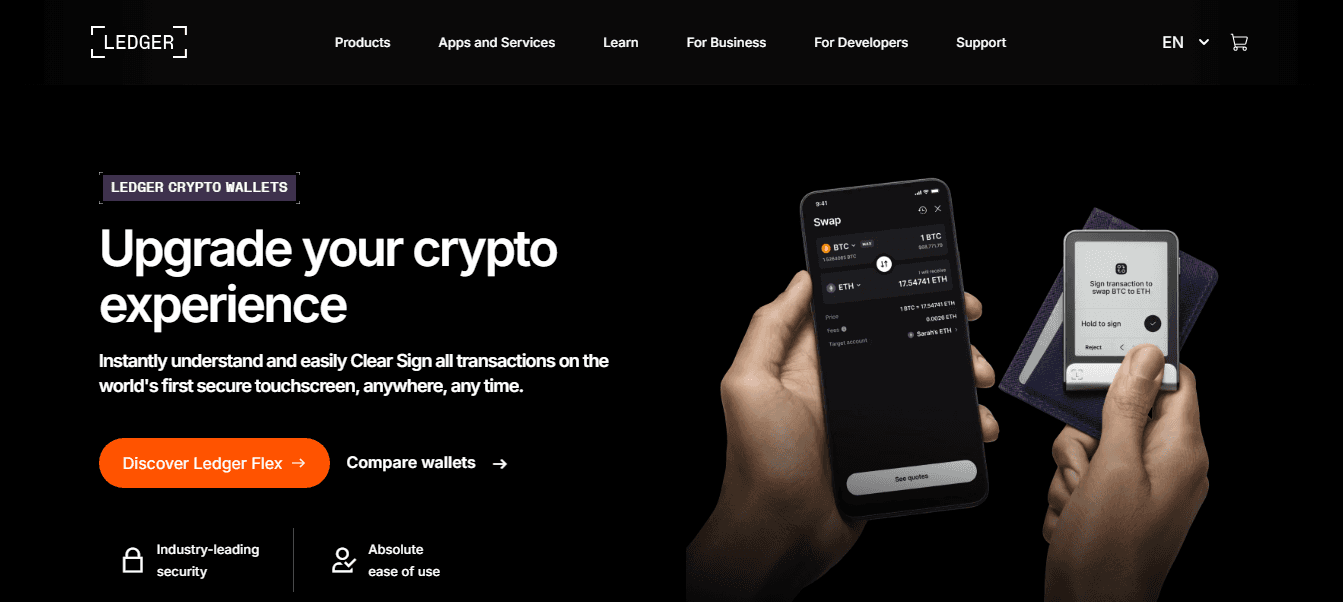
Ledger Login: A Detailed Guide to Hardware-Based Authentication for Crypto Security
As digital finance becomes more mainstream, protecting cryptocurrency assets has become a critical priority. Unlike traditional banking systems, cryptocurrency places full responsibility on the user. This responsibility includes safeguarding private keys, approving transactions, and preventing unauthorized access. One of the most effective tools available today is Ledger Login, a secure, hardware-based authentication system that protects digital assets from online threats.
This article explores Ledger Login in depth—what it is, how it functions, why it is trusted by millions, and how users can safely use it to manage their crypto holdings.
Introduction to Ledger Login
Ledger Login is the secure access method used by Ledger hardware wallets to authenticate users and authorize blockchain transactions. Instead of relying on passwords, email verification, or centralized servers, Ledger Login requires physical confirmation from a hardware device.
This approach ensures that private keys remain offline at all times and cannot be accessed by malware, hackers, or phishing websites. Ledger Login is widely considered one of the safest ways to interact with cryptocurrencies.
Why Secure Login Matters in Cryptocurrency
Cryptocurrency systems are decentralized, meaning there is no central authority to reverse transactions or recover lost funds. If access credentials are stolen, assets can be transferred instantly and permanently.
Common threats include:
Phishing attacks
Malware and keyloggers
Fake wallet applications
Exchange breaches
Ledger Login addresses these risks by eliminating digital credentials and enforcing physical verification.
The Core Concept of Ledger Login
Ledger Login is based on the idea that ownership equals control of private keys. Ledger devices generate and store private keys internally, and those keys never leave the device.
Ledger Login ensures:
Authentication is device-based
Transactions require manual approval
Private keys stay isolated from the internet
Users retain full control over assets
This design removes the need to trust third parties.
How Ledger Login Works at a Technical Level
When a user initiates a Ledger Login, the following steps occur:
The Ledger device connects to a computer or smartphone
The user unlocks the device with a PIN
Ledger Live or a supported app sends a request
The device displays transaction or access details
The user approves or rejects the request physically
The cryptographic signing process occurs entirely within the device.
Ledger Login and Secure Element Technology
At the heart of Ledger Login is a Secure Element chip. This specialized hardware component is designed to resist both software and physical attacks.
Key features include:
Tamper resistance
Secure memory storage
Protection against side-channel attacks
Certified security standards
This chip ensures private keys cannot be extracted, even if the device is compromised.
Ledger Login Through Ledger Live
Ledger Live is the official application that works alongside Ledger hardware wallets. It provides a user-friendly interface while enforcing Ledger Login security rules.
Through Ledger Live, users can:
Access multiple crypto accounts
Send and receive assets
Install blockchain applications
Monitor portfolio performance
Ledger Login ensures all sensitive actions require device approval.
Ledger Login Without Passwords
One of the most notable features of Ledger Login is the absence of passwords. Passwords are vulnerable to reuse, leaks, and phishing.
Ledger Login replaces passwords with:
Physical device possession
PIN-based device unlocking
Manual confirmation buttons
This model greatly reduces the risk of unauthorized access.
Ledger Login for Multiple Accounts and Assets
Ledger Login supports managing multiple accounts across various blockchains from a single device.
Use cases include:
Managing personal and business wallets
Separating long-term storage from active trading
Holding multiple cryptocurrencies securely
Each account remains protected under the same hardware-based security model.
Ledger Login and Decentralized Applications
Modern crypto usage extends beyond simple transactions. Ledger Login is compatible with decentralized applications and Web3 platforms.
Common applications include:
DeFi protocols
NFT marketplaces
Blockchain-based games
DAO governance platforms
Ledger Login ensures that all smart contract interactions are verified on the device screen.
Protection Against Phishing with Ledger Login
Phishing attacks often trick users into revealing sensitive information. Ledger Login significantly reduces this risk.
Why phishing fails against Ledger Login:
No recovery phrase entered online
No passwords to steal
Transactions must be confirmed physically
On-screen verification shows exact details
Even if a user visits a malicious site, assets remain protected.
Ledger Login and Transaction Transparency
Transparency is a key security feature of Ledger Login. Every transaction is displayed directly on the device screen.
This allows users to verify:
Recipient addresses
Transaction amounts
Network fees
Contract interactions
This transparency prevents hidden or malicious transactions.
Common Ledger Login Errors and How to Avoid Them
While Ledger Login is robust, mistakes can still happen.
Incorrect PIN Attempts
Multiple incorrect PIN entries reset the device.
Prevention:
Store the PIN securely and avoid guessing.
Firmware or App Outdated
Outdated software may cause login issues.
Prevention:
Keep Ledger Live and firmware updated.
Connecting to Untrusted Devices
Public computers may be compromised.
Prevention:
Use personal, trusted devices whenever possible.
Importance of the Recovery Phrase in Ledger Login
The recovery phrase is the only way to restore access to funds if the Ledger device is lost or damaged.
Key responsibilities include:
Storing it offline
Keeping it private
Never sharing it
Never entering it online
Ledger Login security depends heavily on how well the recovery phrase is protected.
Ledger Login vs Centralized Exchange Access
Centralized exchanges often hold user assets and control access credentials.
FeatureLedger LoginExchange LoginAsset CustodyUserExchangePassword RequiredNoYesHack ExposureVery LowHighWithdrawal ControlFullLimited
Ledger Login provides true ownership and independence.
Ledger Login on Mobile Devices
Ledger Login supports mobile access through compatible devices.
Mobile benefits include:
Bluetooth connectivity
Secure transaction signing
Portfolio access anywhere
Despite mobile convenience, private keys remain offline.
Who Should Use Ledger Login?
Ledger Login is suitable for:
Long-term crypto investors
NFT collectors
DeFi users
High-value wallet holders
Security-conscious beginners
Anyone serious about asset protection can benefit.
Ledger Login for Long-Term Storage
Ledger Login is ideal for cold storage strategies. Assets remain secure even if left untouched for long periods.
Advantages include:
No online exposure
Minimal maintenance
Strong resistance to cyber threats
This makes it a preferred choice for holding assets over years.
Future Developments in Ledger Login
Ledger continues to evolve its login and security technologies.
Potential advancements include:
Web3 identity authentication
Expanded blockchain support
Improved user interfaces
Cross-platform login enhancements
Ledger Login is positioned to remain relevant as crypto adoption grows.
Frequently Asked Questions About Ledger Login
Is Ledger Login free to use?
Yes, Ledger Login does not require subscriptions.
Can Ledger Login be hacked?
When used correctly, it is considered extremely secure.
What happens if the Ledger device is lost?
Funds can be recovered using the recovery phrase.
Final Thoughts on Ledger Login
Ledger Login represents one of the most advanced and reliable authentication systems in the cryptocurrency industry. By combining hardware security, offline private key storage, and physical verification, it eliminates many of the risks associated with digital asset management.
In a world where cyber threats continue to evolve, Ledger Login provides users with confidence, autonomy, and peace of mind. For anyone who values true ownership and long-term security, Ledger Login is not just a tool—it is a necessity.